
The 2025 Nobel Prize in Chemistry
The 2025 Nobel Prize in Chemistry honors breakthroughs related to MOFs. This article introduces the laureates, the science behind metal-organic frameworks, and why these porous materials matter.
Authors: SHSBNU Chem Club
The Nobel Prize in Chemistry
2025 and the Story of MOFs
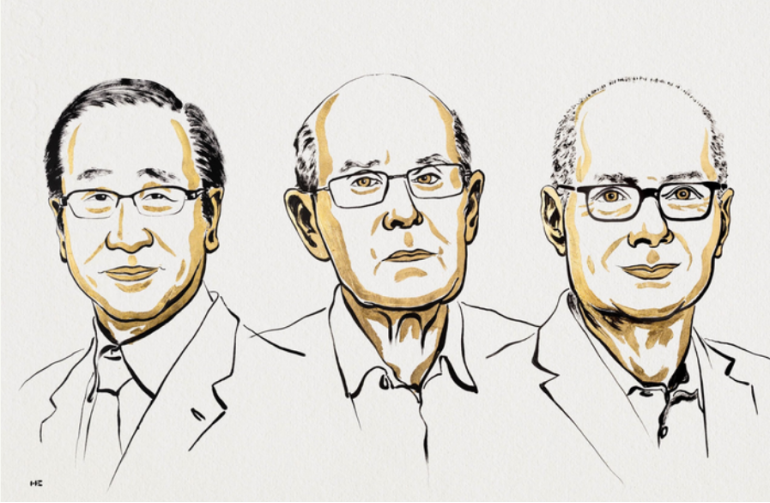
The 2025 Nobel Prize in Chemistry recognized breakthroughs related to metal-organic frameworks, or MOFs. The award honored Susumu Kitagawa, Richard Robson, and Omar M. Yaghi for foundational work on these highly porous materials.
The Laureates
Susumu Kitagawa
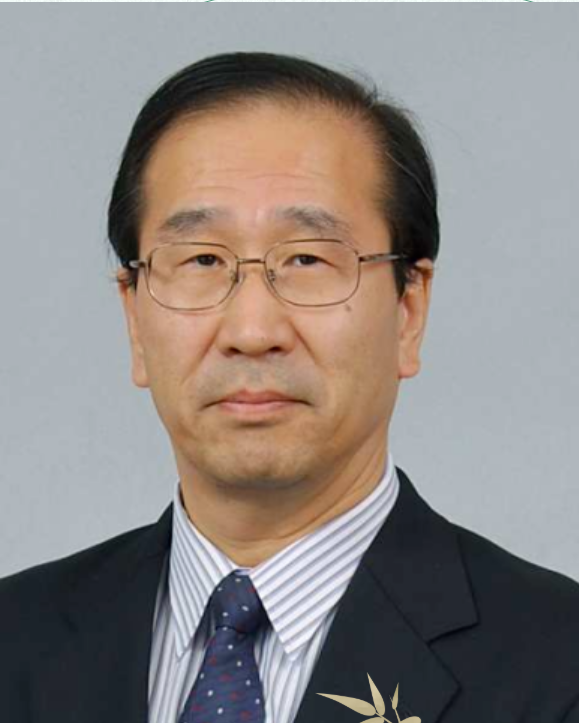
Susumu Kitagawa, born in Kyoto in 1951, is a Japanese inorganic chemist and a pioneer in porous coordination polymers. His work helped establish how these frameworks can be designed, studied, and connected to problems in energy and the environment.
Richard Robson
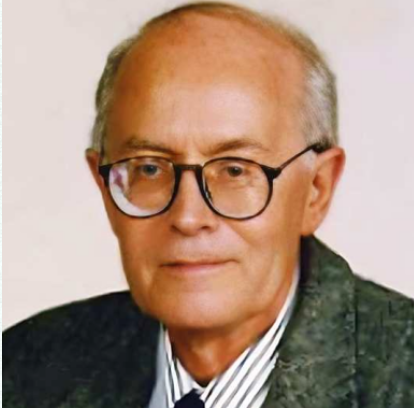
Richard Robson, born in 1937, is known for important work in crystal engineering and coordination frameworks. His research showed how metal ions and organic linkers can be assembled into open, extended structures with useful properties.
Omar M. Yaghi
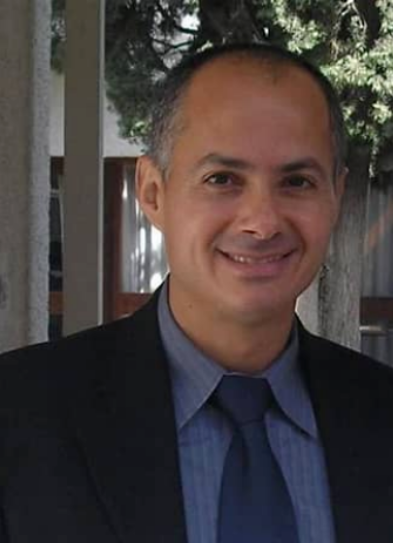
Omar M. Yaghi, born in 1965, became one of the central figures in reticular chemistry and MOF design. His contributions helped turn the field into one of the most influential areas in modern materials chemistry.
Why MOFs Matter
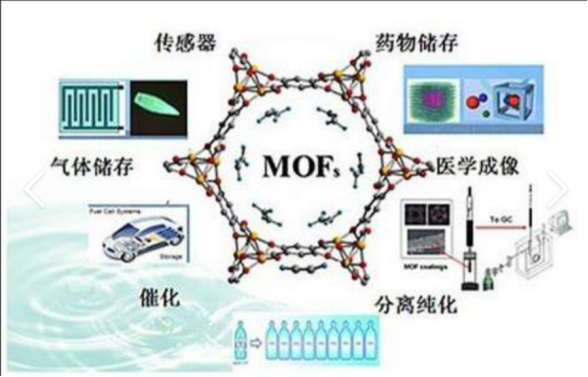
MOFs are molecular frameworks with large internal spaces, so gases and other molecules can move through them.
These materials can be used to:
- collect water from dry air
- capture carbon dioxide
- purify industrial exhaust
- store toxic gases more safely
- store hydrogen and natural gas
- catalyze chemical reactions
- support applications in chip manufacturing and biomedicine
How the Field Developed
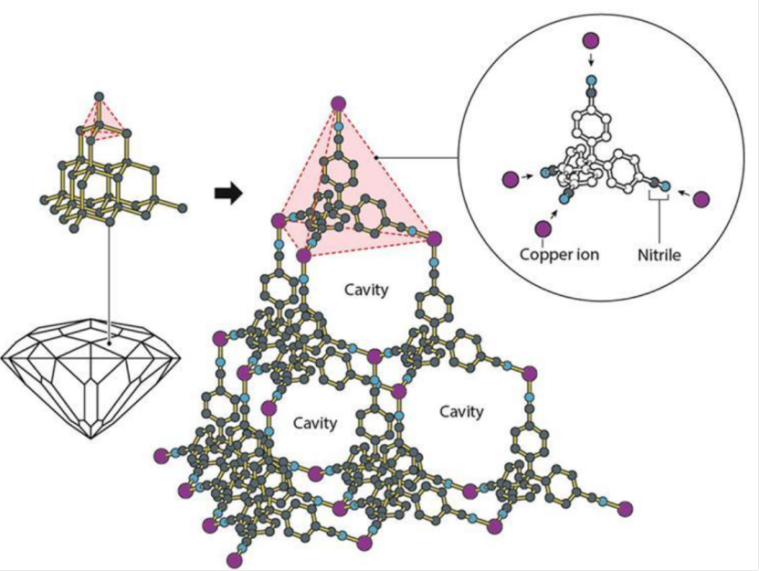
Robson was one of the earliest scientists to suggest that open framework structures of this kind could be built deliberately. Inspired by the repeating geometry of diamond, he proposed large framework architectures with substantial internal voids.
In 1989, he published work in the Journal of the American Chemical Society showing that such porous molecular structures could offer a new route for materials design, although many early examples were not yet stable enough.
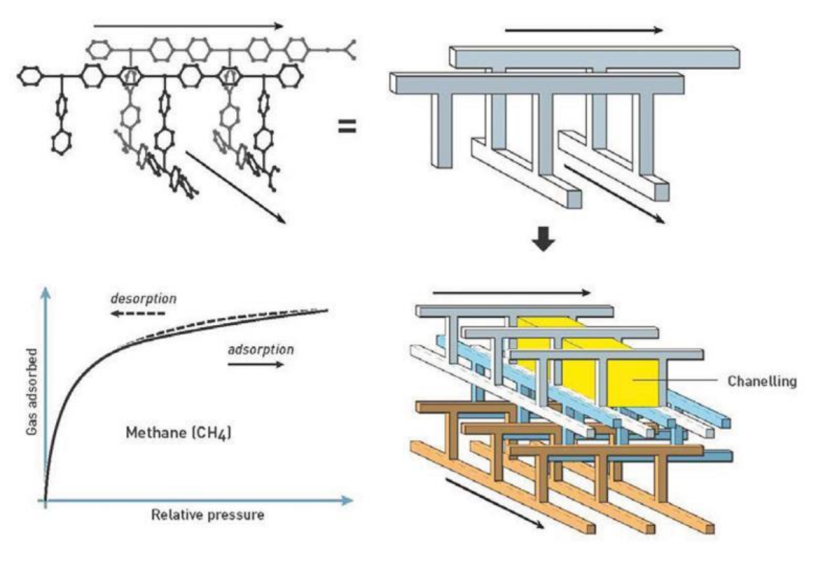
Kitagawa later pushed the field forward by constructing three-dimensional frameworks with open channels. In the late 1990s, his group showed that some of these structures could remain intact after losing guest molecules such as water, and could reversibly adsorb gases like methane, nitrogen, and oxygen without collapsing.
In parallel, Yaghi reported important framework materials in the United States and helped establish the term "metal-organic framework." In 1999, MOF-5 became a landmark material: roomy, stable, and possessing enormous internal surface area. Just a few grams can provide an area comparable to a football field.
MOFs changed how chemists think about building solids. Instead of discovering every material by trial and error, researchers can increasingly design frameworks with targeted structure and function from the start.