Green Chemistry: Recycling Waste Plastics
A green chemistry perspective on recycling waste plastics.
Authors: SHSBNU Chem Club
Green Chemistry
Recycling Waste Plastics
Background
Plastic pollution continues to intensify worldwide, and effective recycling still remains limited. In China, recent planning for the circular plastics economy emphasizes upgrading mechanical recycling, advancing chemical recycling, reducing energy use and carbon emissions, and improving clean pretreatment.
Polycarbonate (PC) is a high-value engineering plastic known for transparency, impact resistance, and heat resistance. It is widely used in electronics, automotive parts, and optical products, so the amount of waste PC is large and the value of recycling it is also high.
The main bottleneck is simple: paint and coating layers are hard to remove cleanly. If the coating is not stripped well, the substrate is damaged, costs rise, and environmental targets are missed.
Past recycling systems focused mainly on common plastics such as PET, PP, and PE. Engineering plastics were often downgraded or landfilled because they were mixed, coated, and harder to process. As policy and market pressure increase, closed-loop recycling of engineering plastics has become much more important.
Recycled PC can return to higher-value applications such as electronic housings, auto parts, optical sheets, and small appliances.
Common Sources of Coated Waste Plastics
- Phone and laptop housings with baked paint, UV coatings, or electroplated layers.
- Automotive lamp covers and interior parts with powder coatings or electrophoretic paint.
- Appliance panels and dashboards with multilayer composite coatings.
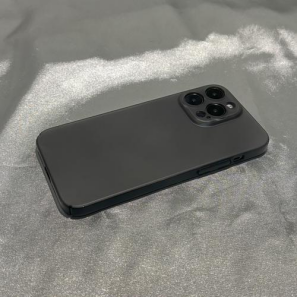
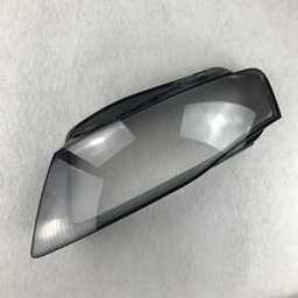

These coating systems adhere strongly to the PC substrate. Harsh treatment often causes yellowing, embrittlement, molecular-weight loss, unacceptable color differences, and residual contamination, all of which destroy the material's value.
Why Is PC So Difficult to Recycle Well?
The answer lies in the structure and performance of polycarbonate itself:
- Limited thermal tolerance. Long exposure above about 85-90 C can lead to hydrolysis, cracking, whitening, and steep losses in mechanical strength.
- Moderate chemical resistance. Strong polar solvents, strong acids, and strong bases can trigger stress cracking, swelling, and surface damage.
- Strong coating compatibility. Baked paints, UV-cured paints, epoxy coatings, and polyurethane coatings can form strong anchoring or chemical interactions with the PC surface, so simple washing is not enough.
Current Paint-Removal and Devolatilization Methods
At present, there are both physical and chemically assisted approaches.
Physical Processes
1. Vacuum Flash Devolatilization
- Principle: molten plastic is exposed to high temperature and then rapid pressure reduction, causing small volatile molecules to separate instantly.
- Use cases: PE, PP, and PS pelletizing, PET recycling, and melt purification after depolymerization.
- Features: efficient and continuous, but requires high vacuum and strict temperature control to avoid degradation.
2. Wiped-Film Evaporation
- Principle: material forms a thin liquid film on a heated surface and volatile components are removed quickly under vacuum.
- Use cases: chemical-recycling oils, low-viscosity pyrolysis products, and purified monomers.
- Features: short residence time and lower risk of coking, making it suitable for heat-sensitive materials.
3. Steam Stripping
- Principle: steam or inert gas lowers the partial pressure of volatile species and carries them away.
- Use cases: plastic pyrolysis oils, monomer recovery, and solvent-containing systems.
- Features: simple equipment, but requires downstream gas-liquid separation and condensation.
4. Hot-Air or Hot-Nitrogen Drying
- Principle: heated gas removes moisture, light components, and surface solvent residues.
- Use cases: pretreatment of shredded plastics and moist waste streams.
- Features: good for surface volatiles, but not enough for small molecules trapped inside molten material.
Chemically Assisted Approaches
1. Supercritical-Fluid Desorption or Extraction
- Principle: supercritical CO2 or similar fluids dissolve and remove small molecules, then release them after depressurization.
- Use cases: high-value recycling, removal of plasticizers, residual monomers, and odor-causing compounds.
- Features: mild and selective, but expensive and still mostly at pilot or demonstration scale.
2. Catalytic Devolatilization or Mild Cracking
- Principle: while volatile removal is happening, mild catalysis helps break difficult oligomers or odor compounds into more volatile species.
- Use cases: plastic oil upgrading and deep removal of hard-to-strip contaminants.
Even with these methods, problems remain: cost is high, operating conditions can be demanding, and the range of applicable materials is still limited. Paint removal during waste-plastic recycling still needs substantial optimization.
More chemistry-club content will continue to be published on this site as well.
Contributors
尉钰涵
Role: Contributor
Focus: Writing, Layout, Review
唐泽霖
Role: Contributor
Focus: Writing
辛敏睿
Role: Contributor
Focus: Writing
孟禹萌
Role: Contributor
Focus: Writing
张若凡
Role: Contributor
Focus: Review